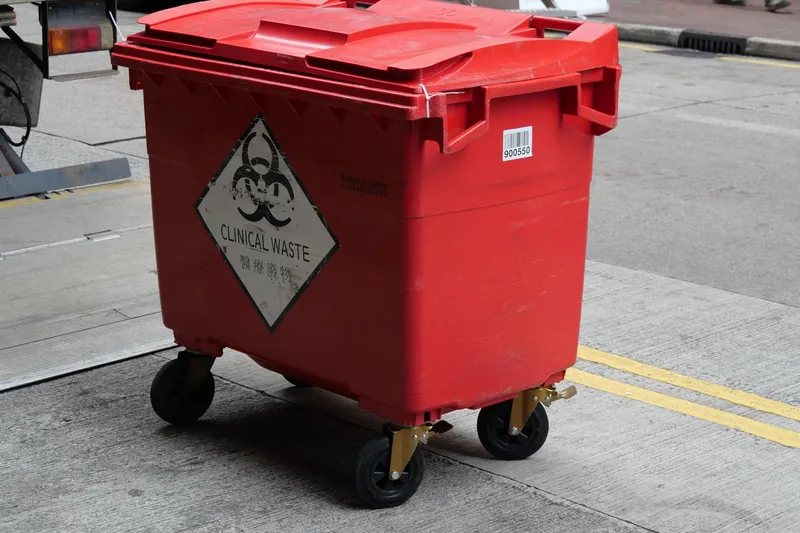
Medical Waste Removal
Medical waste removal and disposal through approved treatment facilities.
See medical waste removalGet blood, bodily fluids and contaminated materials cleaned from a hospital, clinic, dental office, laboratory or care facility in Bristow. The affected area is contained, cleaned, disinfected and documented.
Hospital and healthcare biohazard cleanup removes blood, bodily fluids and affected materials through a controlled process. Cleaning and disinfection of the impacted space follow that removal.
Professional cleaning becomes appropriate when an emergency response or spill exceeds what routine environmental services can address. It may be carried out in a dental office, nursing home, laboratory, dialysis center, hospital room, clinic, urgent care center or another care environment. The aim is controlled access, removal of visible material, disinfection of cleanable surfaces and properly routed waste packages.
Identifying the impacted area and its surfaces is the cleanup team's first task. From there, materials that can be cleaned are kept apart from unsalvageable ones. Hard and non-porous materials may remain after cleaning and disinfection. Porous items such as wallboard, ceiling tile, carpet and unfinished wood may require removal if contamination soaked into them. Soft contaminated waste, hazardous materials, sharps and medicines are separated by waste stream.
A walkthrough with your facility contact covers cleaning, protective gear, containment, waste separation and disinfectant contact time prior to releasing the area.
When discretion is important, crews use unmarked vehicles and follow a planned route for equipment that reduces attention around occupied spaces.
Available scope documents, waste records and permitted photos are organized so the insurance company, your administrator or the property representative can check the work.
Ask the cleaning services you compare how each scope covers the affected area, what surfaces can stay, which materials might need removal and the steps that can affect cost. Clear answers help you compare the options.
Hospital biohazard cleaning is needed when blood or another potentially infectious material reaches a room, surface or item outside its intended containment. Common situations include:
Loose needles or broken contaminated glass require a restricted area and the correct puncture-resistant sharps container.
Before full contact-time disinfection, blood must be removed under controlled conditions from floors, walls, bed frames or outer equipment surfaces.
After an unexpected event, spill or damaged waste container, laboratories, dental offices, outpatient centers and other healthcare settings may require cleanup.
Bodily fluids such as feces, urine or vomit may contaminate restrooms, staff areas, waiting rooms and examination spaces.
Start by protecting everyone near the hospital or healthcare spill and following your facility's exposure control plan before blood cleanup. If the scene involves law enforcement, cleanup must wait for release of the area. Take these actions first:
Call (888) 440-9227Published guides do not cover healthcare facilities as a separate job. The closest comparison is general biohazard cleanup. Fixr lists it at $3,000 to $5,000 for a typical job, starting near $1,500 and running to $25,000 or more for large ones. Treat that as context. Your actual total depends on what is affected and how the area can be reached.
Published national cost guides are the source for these ranges, rather than an inspection of your property. An on-site assessment determines your property's price, which is explained to you before the cleanup starts.
Ask about cost: (888) 440-9227Whether insurance applies depends on what caused the contamination, what the facility policy covers and how contracts allocate responsibility. Cleanup for a sudden event is not the same as routine cleaning. To move ahead, keep clear records that an insurance company can use when assessing the loss.
Confirm policy eligibility with the insurance company for cleanup, removed items, waste disposal and any associated restoration. Write down the claim number and keep documentation of the cause.
Scheduled medical waste collection and routine environmental cleaning are usually treated as expected facility costs. Your facility contact or administrator can identify the right account to use.
Retain the work scope and invoices along with permitted photos and waste records you receive. Check documentation requirements with the adjuster before discarded materials or repairs modify the affected area.
Cleanup obligations or repair duties for the building can be assigned to either the tenant or owner through a clinic lease. Notify your property contact and examine the lease prior to taking out any structural materials.
Protecting surrounding spaces requires an orderly cleanup process that facility staff can follow. Assessment and containment begin the hospital work, with disinfection, packaging of waste and a final check coming afterward. Exact requirements vary according to the surfaces, materials and procedures of the facility.
Cleanup technicians start after understanding the event, mapping the affected area and identifying porous materials, chemicals, sharps, blood and bodily fluids.
Crews limit access, establish a clean route inside and shield nearby equipment or rooms from avoidable traffic across the work zone.
The identified exposure determines the choice of protective gloves, garments, eye protection and respiratory equipment rather than one setup for every situation.
Visible material is absorbed and removed first. Crews start at the outside edge, working without pushing liquid toward adjacent surfaces or flooring seams.
An EPA-registered disinfectant is applied after washable surfaces are cleaned, and the treatment remains wet as long as its label requires.
Crews carefully take out absorbent items when full cleaning is not possible. Chemicals and medicines are kept apart from sharps and soft waste so each follows its proper disposal route.
Hazardous waste is placed in the correct closed container without compressing bags or mixing incompatible materials. The exterior is checked before it leaves the work area.
Your facility contact joins an inspection of the work zone, while permitted photos, waste records and scope notes are arranged for facility files.
Call any hour. Your hospital and healthcare biohazard cleanup specialist answers the phone, describes what happens next and works with you on a start time.
Blood, bodily fluids, loose sharps and hidden contamination can create serious health risks when the wrong tools or cleaning order are used.
Blood may carry HIV, hepatitis C and hepatitis B. The CDC says hepatitis B can survive on surfaces for at least seven days, so dried blood still requires proper precautions.
An open cleanup area can draw attention and interfere with care. To reduce unnecessary foot traffic and help safeguard patients, loved ones and personal property, keep boundaries clear and move supplies discreetly.
Fluid may travel below furniture, behind wall trim or inside flooring seams. Affected material may remain when cleanup focuses solely on the spill's visible center.
Can you clean it yourself? Under your facility's blood spill procedure, prepared and assigned staff may address a small spill affecting a non-porous hard surface. When a spill exceeds facility capabilities, reaches absorbent material, contains loose sharps or has unknown limits, close off the area and request professional cleanup.
Hospital biohazard cleanup does not follow one fixed timetable. Contamination beneath porous flooring or across multiple rooms is likely to take longer than a contained hard-surface spill, and access conditions at the facility can affect the schedule.
| Scene | Typical time on site |
|---|---|
| Contained spill on cleanable surfaces | The schedule is set by the assessment, cleaning, material removal, disinfectant contact time and closing check |
| One room with porous materials | Coordinating restoration services or repairs, packing waste and completing removal can lengthen the job |
| More than one area or waste stream | Staged cleanup, access coordination and containment can extend the schedule |
Odor after a spill can mean contaminated material remains in a seam, porous surface, waste container or nearby item. Odor removal starts with finding and removing that source. Fragrance does not clean it. Keep people away from the affected area before treating the air.
Hard surfaces can undergo cleaning and disinfection for the complete labeled contact time once the source is gone. During controlled work, HEPA air cleaning may collect particles from the air, although it cannot substitute for cleaning surfaces. When odor has spread, crews inspect nearby rooms and HVAC returns beyond the original space.
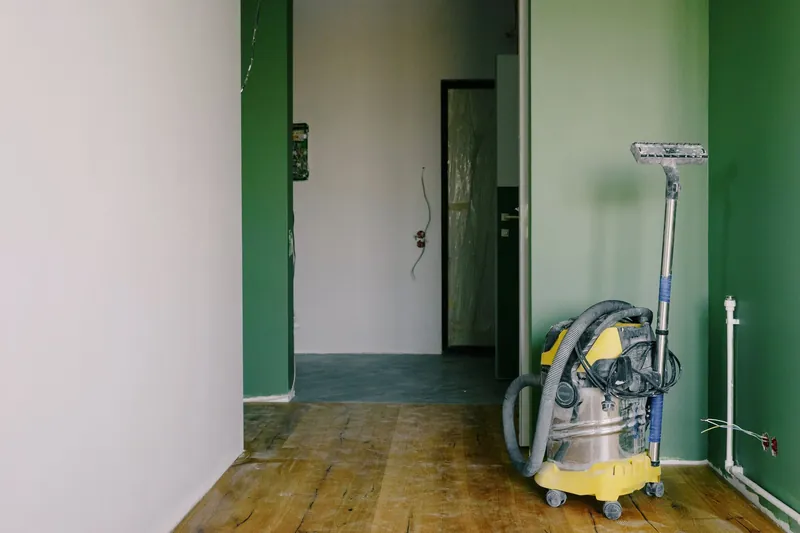
When employees may encounter blood, the OSHA Bloodborne Pathogens Standard, 29 CFR 1910.1030, requires measures for training, protective equipment, exposure control and work practices.
The disinfectant must be EPA-registered and appropriate for the organism and surface involved. The product label gives a complete contact time during which surface wetness must be maintained.
Oklahoma treats soaked materials from a biohazard scene as regulated medical waste. Rules from the Department of Environmental Quality's Land Protection Division control how it is processed and treated, so it cannot go in household trash.
Local health and building rules can affect how a contaminated room is cleaned and when it can be used again, so mention any notice you have received from the city or county.
The full hospital and healthcare biohazard cleanup guide covers what is cleaned or removed, odor and air quality work, and the rules that apply in Oklahoma and Creek County.
Read the full hospital and healthcare biohazard cleanup guidePlanning for access, containment and cleanup can depend on local population, housing and entry conditions.
A renter share of 56.2% makes privacy important during cleanup, especially where neighbors or building staff share entrances and hallways.
A median build year of 1976 means fluids can pass through carpet or seams and affect padding or subfloor below.
About 246 older residents live alone in Bristow, representing 36.9% of seniors and making regular welfare checks especially meaningful.
At 70.4% single-family housing, cleanup boundaries may include attached garages, utility rooms, or storage areas beyond the main room.
Your phone conversation can include questions about service in nearby ZIP codes and communities.
Medical waste removal and disposal through approved treatment facilities.
See medical waste removal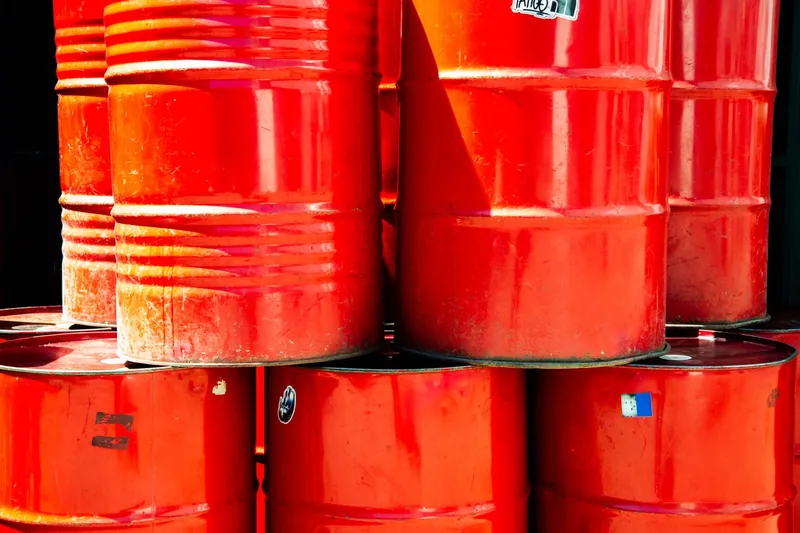
Pickup and disposal of biohazard waste use containers that are sealed and labeled.
See biohazard waste disposal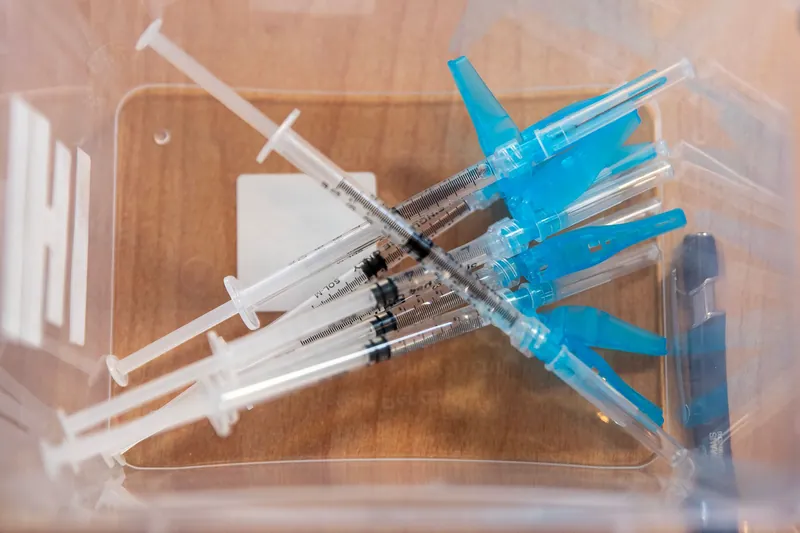
Yards, encampments, parks and rental properties receive needle and sharps cleanup.
See needle and sharps cleanup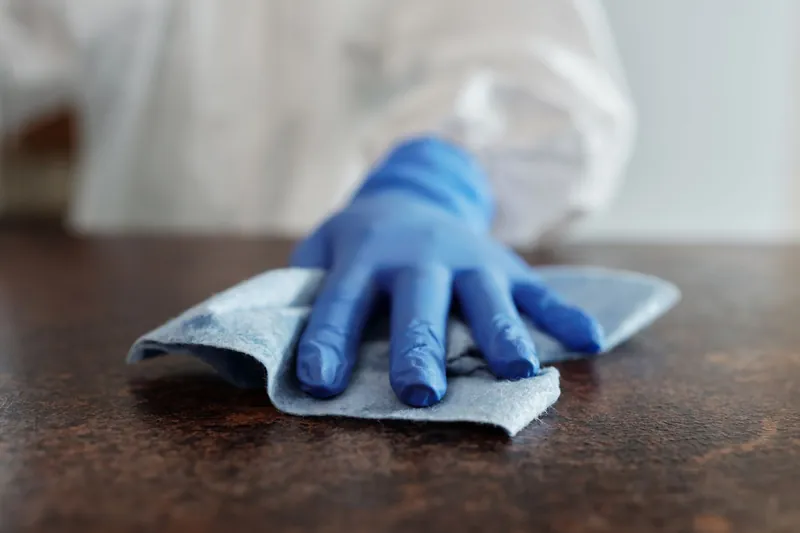
Blood spill cleanup removes spills of any size, including fresh and dried blood.
See blood spill cleanup
Blood cleanup controls exposure to HIV as well as hepatitis B and hepatitis C.
See bloodborne pathogen cleanup
Bodily fluid cleanup and disinfection for homes, care settings and businesses.
See bodily fluid cleanup
EPA-registered products are applied across all surfaces during infectious disease disinfection.
See infectious disease disinfection
Commercial and industrial biohazard cleanup planned around site access and operating needs.
See commercial and industrial biohazard cleanupCleanup time varies with facility access, the affected area, surface types, disposal streams and whether parts of the structure require removal. A contained hard-surface spill takes less work than contamination under flooring or across several rooms. Once assessment is complete, cleanup personnel should identify the work stages and explain where access is limited.
Hospital staff use established waste and exposure control procedures. Absorbed blood and contaminated disposable materials go into the required closed waste container, while needles and other sharps go into a puncture-resistant sharps container. Medicines and chemicals remain separate. Applicable rules from the facility, locality and state determine the final route for treatment and transport.
A separate range for hospitals is not listed in published cost guides. General biohazard guides list $3,000 to $5,000 as a typical national range, with smaller jobs near $1,500 and large jobs reaching $25,000 or more. Treat these figures only as context. Access conditions, material types, disposal streams and space size determine what cleanup actually costs.
Start by closing off the area, then follow the facility's plan for exposure control. With appropriate protective equipment, assigned staff remove blood without spreading contamination, clean the surface and keep an EPA-registered disinfectant in place for the complete label contact time. Separate procedures apply to sharps and affected porous material, sometimes making professional cleanup appropriate.
The correct products depend on the surface and the facility procedure. First remove any blood that can be seen. Next, apply an EPA-registered disinfectant appropriate for the organism and surface, keeping it in place throughout the label contact time. Protective equipment, absorbent materials, tools and waste containers must match the exposure.
Surface inspection follows removal of visible material, complete cleaning and maintenance of disinfectant wetness for the full label contact time. The cleanup crew shares available waste records and work scope notes with your facility contact. The facility repair process can then address flooring, ceiling tile, wallboard or furnishings that were removed.
You can request respectful, discreet hospital and healthcare biohazard cleanup 24 hours a day, and crews use unmarked vehicles.